
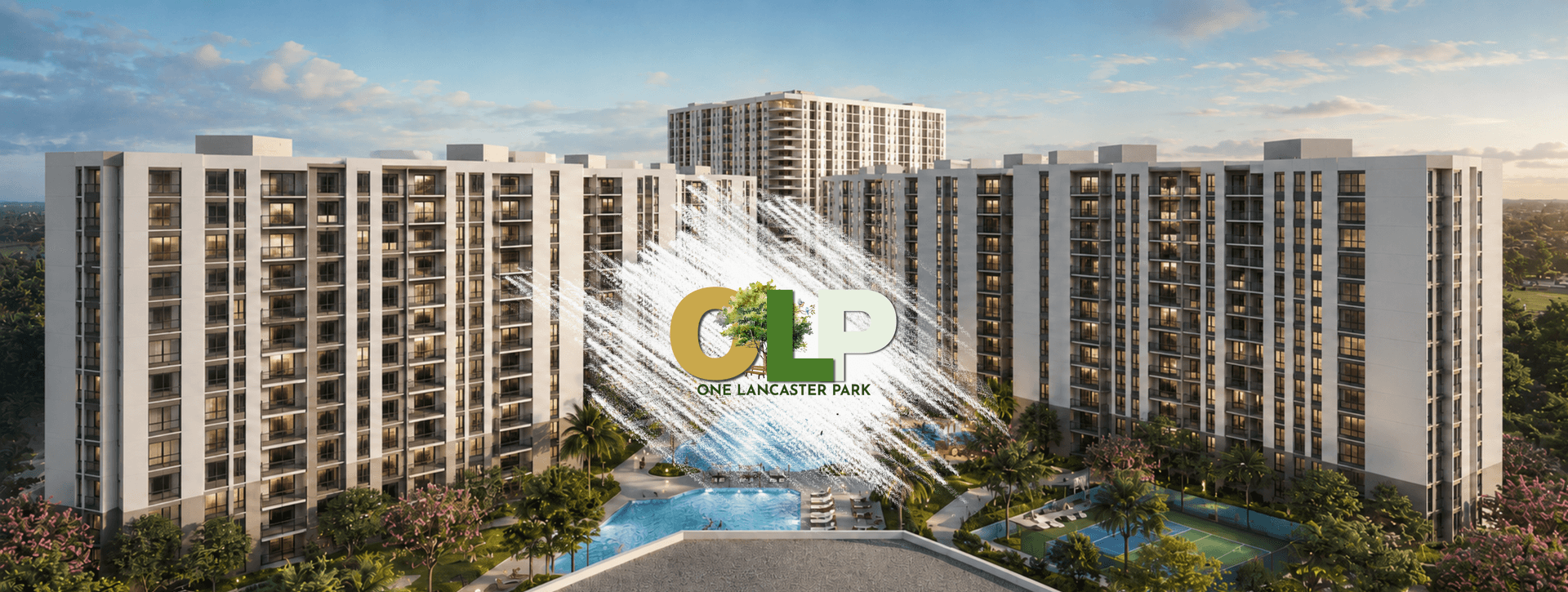
Most amenity lists read like a brochure: a long row of names, no sense of what any of it means once you actually live there. This guide does the opposite. It walks through what One Lancaster Park is planned to give residents, the pools, the courts, the open park, the security, and, more usefully, how you would actually use each one on an ordinary week. One Lancaster Park is a pre-selling project; the amenities described here are part of the approved masterplan and are not yet built, so treat this as what to expect on turnover, not a description of a finished community. If you want the full project overview (units, location, financing), that lives in the complete guide to One Lancaster Park. This post stays on one thing: the amenities.
One detail shapes everything that follows. One Lancaster Park sits on 10 hectares, and 70% of that land is open space, a 7-hectare park at the center of the community. That is the single fact that makes the amenities here different from a typical mid-rise condo, where the “amenity deck” is one shared floor and a small pool. Here, the amenities will be spread across an actual park, not squeezed onto one shared floor.
The Pools: Three of Them, for Different Users
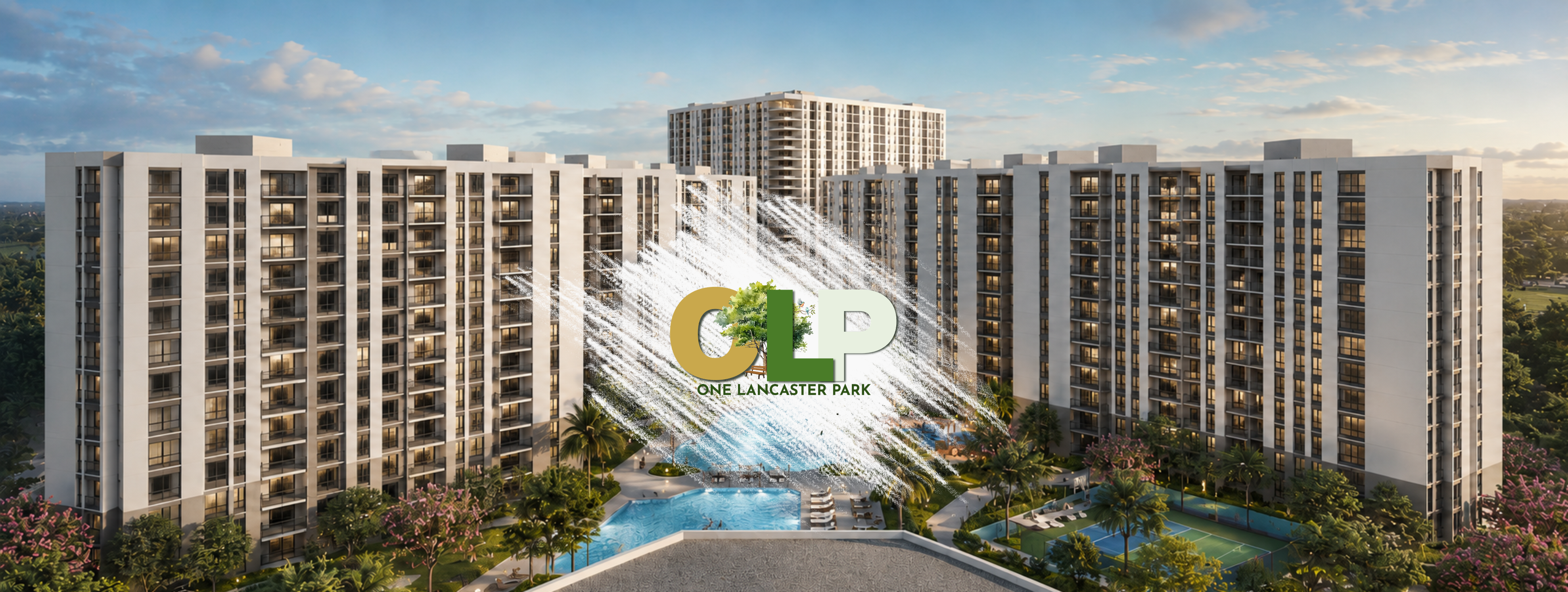
There are three swimming pools, one indoor and two outdoor, sized for adults and for children. The reason that matters is practical. A single pool in a condo gets crowded fast, and it forces a parent with a toddler into the same water as lap swimmers. Splitting the pools means a young family can use the kiddie pool at the right depth while older kids or adults use a separate space.
The indoor pool is the one most people overlook when comparing projects. Imus gets hot dry-season afternoons and heavy wet-season rain, and an indoor pool means swimming is not cancelled by weather. For day-to-day living, that is the difference between a pool you use a few months a year and one you use most of the year.
The Clubhouse: Where Family Events Actually Happen
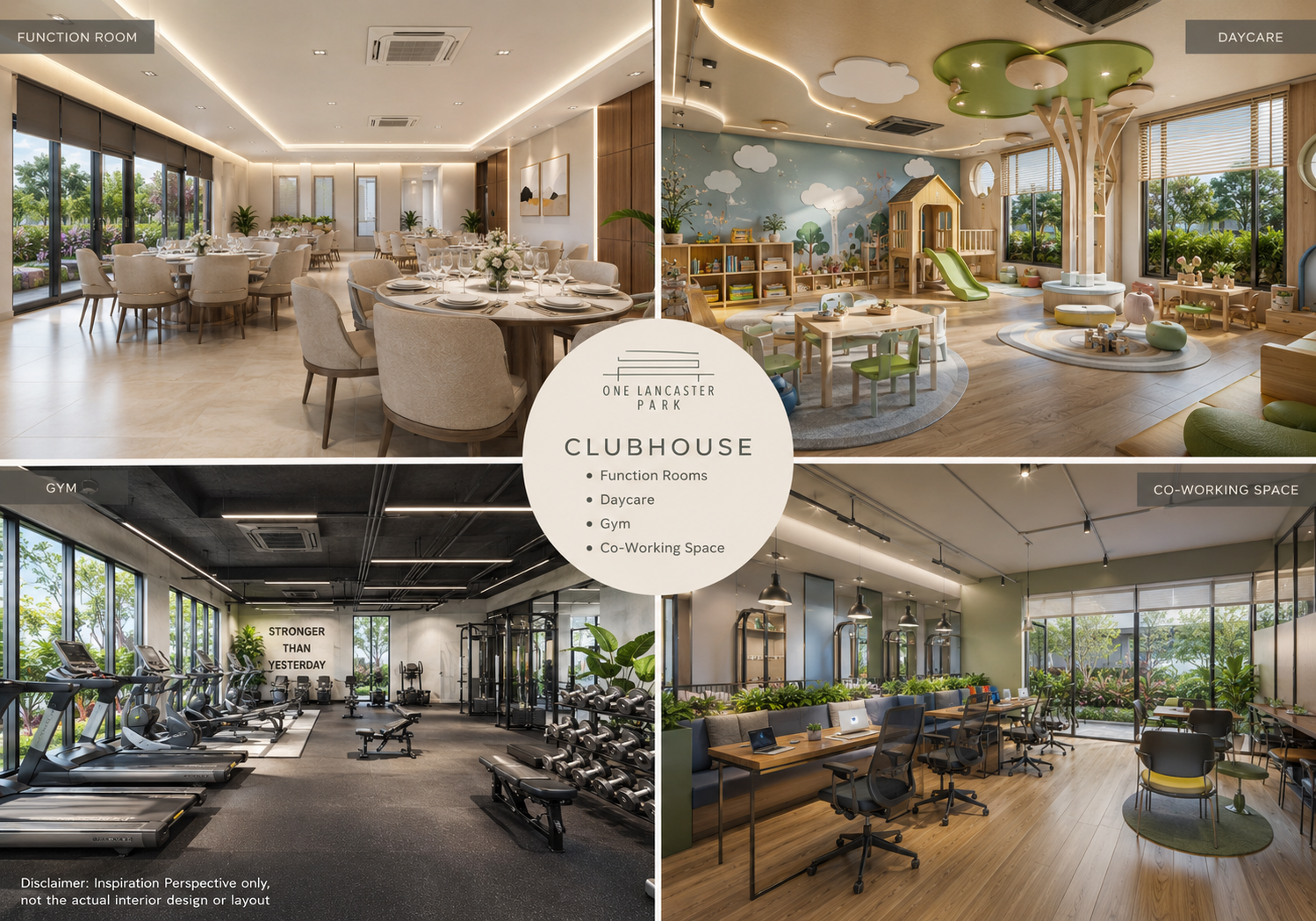
The clubhouse is the indoor social space of the community, built with picnic and family-bonding areas around it. In practice, this is where residents hold the gatherings that do not fit inside a unit, a birthday, a baptism reception, a family reunion. If you have ever tried to host more than a few guests in a condo, you know the unit itself is the wrong venue. A clubhouse solves that without you needing to rent an outside function space.
For everyday use, it also serves as a covered common area, somewhere to sit, meet a neighbor, or let kids play out of the sun. It is the kind of amenity you do not think about when you buy and use constantly once you move in.
Sports Courts: More Than the Usual Basketball Half-Court
The sports facilities sit inside the Active Zone of the park. Alongside the basketball court, the development includes a tennis court, a futsal court, a skate park, and dedicated biking lanes. This is a wider range than most condos in the area offer, where a basketball court is usually the only nod to sports.
Why the variety is useful: it covers different ages and interests in one community. A teenager who skates, a parent who plays tennis on a weekend, kids learning to bike in a safe lane away from traffic, each has somewhere to go without leaving the property. For families specifically, the biking lanes are a genuinely practical feature, because letting children bike on open roads is exactly what most parents in a city cannot safely do.
The Garden Zones: Quiet, Kids, and Everything Between
The 7-hectare park is organized into zones, and understanding them tells you how the space is meant to be used:
- Family Bonding Zone, shaded, open areas built for groups, near the clubhouse and picnic spaces.
- Kids Zone, a dedicated children’s area with a playground and play spaces, separated from sports and quiet areas so younger children have a safe, contained spot.
- Active Zone, where the sports courts and biking lanes are grouped.
- Quiet Zone, a rest-and-reflection area with a jogging path and space for low-key activity like yoga or tai chi.
- Pocket gardens and the Sky Garden, smaller landscaped pockets and an elevated garden planted with native greenery, connected by elevated walkways.
The point of zoning is that the noisy and the calm do not collide. A resident who wants a quiet morning walk is not crossing through a basketball game to get there. Families with small children get a contained play area. People who want to exercise have a jogging path that is not shared with car traffic. That separation is hard to appreciate from a floor plan but is the thing you feel every day once you live in it.
Walkways: How You Get Around the Community
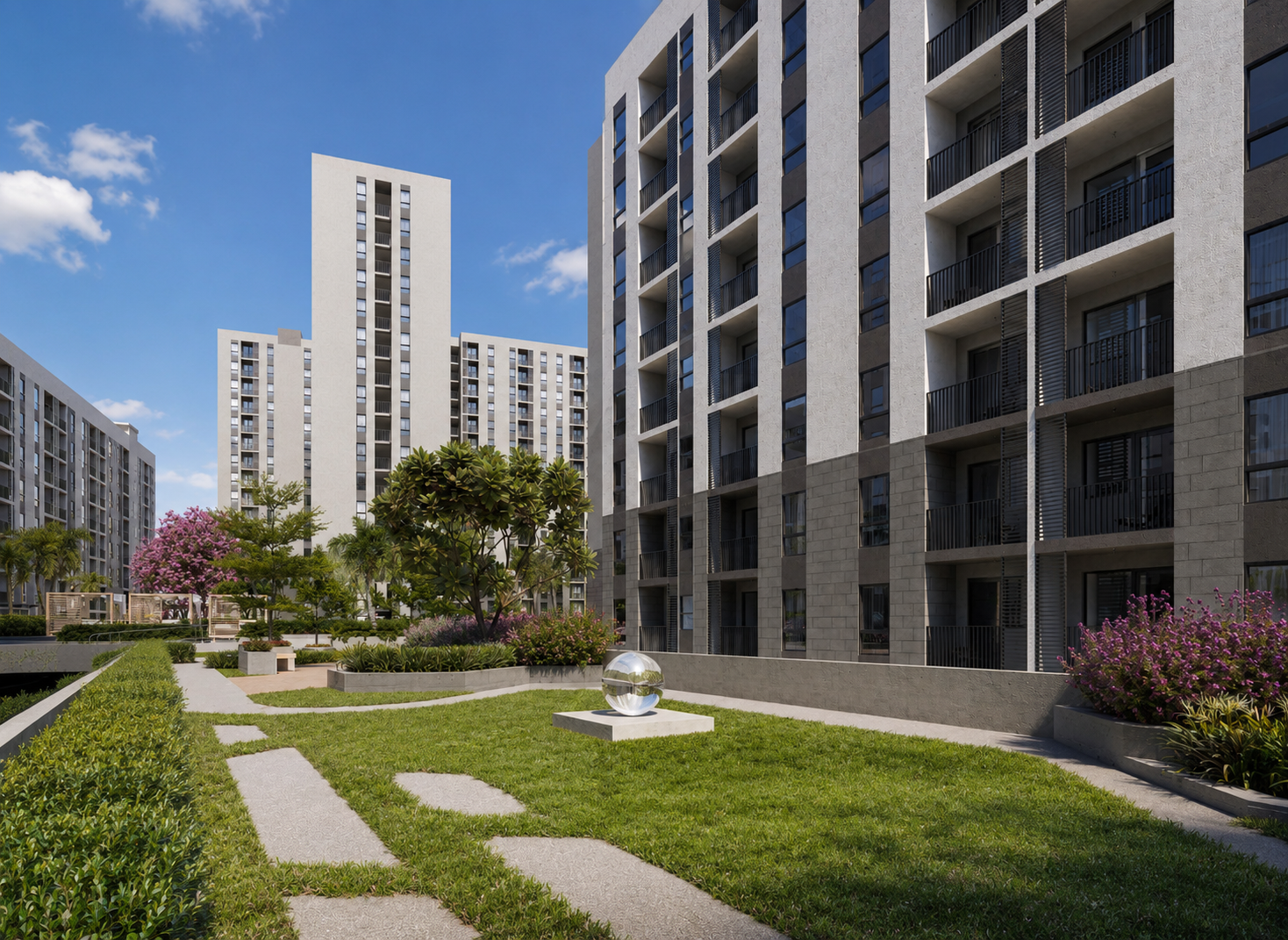
Elevated walkways and a tree-lined central path connect the zones and the buildings. This sounds minor until you consider the alternative, walking along internal roads shared with cars. The walkways let residents move between the pool, the courts, the clubhouse, and their building on a pedestrian path. For parents, older residents, and anyone who simply wants a walk in the evening, that is a real quality-of-life feature, not decoration.
Security: What Keeps the Community Closed Off
Security at One Lancaster Park works in layers, which is the right way to think about it:
- 24/7 security personnel with CCTV coverage across common areas.
- RFID access for elevators and private spaces, so building entry is controlled rather than open.
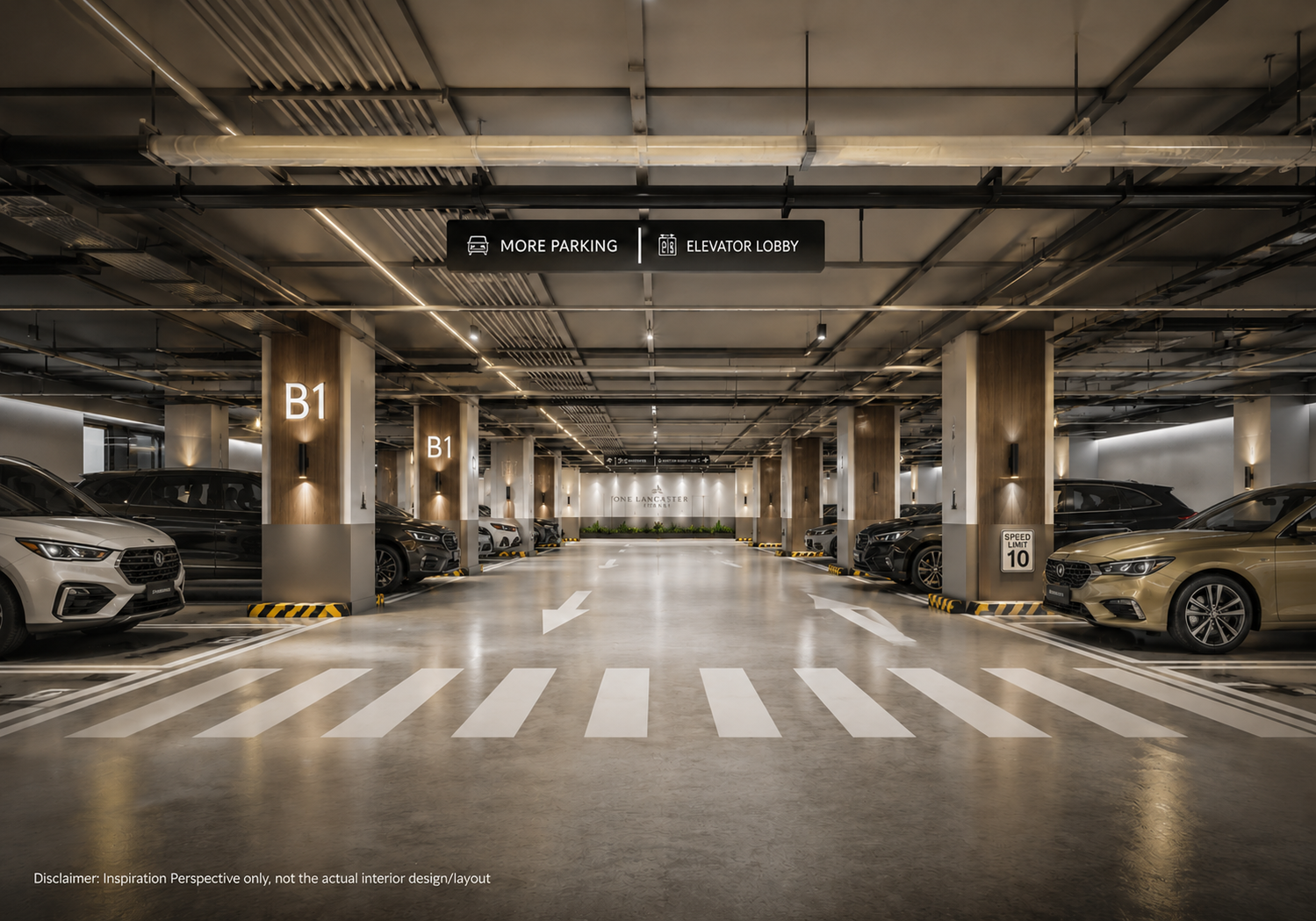
- Covered basement parking with its own CCTV, plus free visitor parking for guests.
- A perimeter fence around the property and an onsite police outpost within Lancaster New City.
For a family, an OFW buying a unit they will not occupy full-time, or anyone who travels often, controlled access matters more than any leisure amenity. The combination of perimeter fencing, RFID building access, and round-the-clock monitoring is what makes a community feel closed off rather than open to anyone who walks in.
What Is Within Walking Distance, Even If It Is Not “an Amenity”
One honest note: the day-to-day errands, groceries, a quick meal, the pharmacy, are served by Lancaster New City around One Lancaster Park rather than by retail built into the development itself. Shopwise and Savemore are within walking distance, St. Edward School is about 300 meters away, and the Church of the Holy Family is roughly 600 meters off. So while the amenities inside the gates are about recreation and community, the practical essentials sit just outside it. For families weighing schools specifically, the schools near One Lancaster Park guide covers what is nearby in detail.
How the Amenities Add Up for Daily Living
Put together, the amenities answer a simple question: how much of your week can you live without leaving the community? Exercise, kids’ play, swimming, sports, family gatherings, an evening walk, those are all on the property. Groceries, school, and church are a short walk away in Lancaster New City. That is the case the 70% open-space design is built to make, and it is why the project was recognized for its open space rather than for its towers.
If you want to see how this fits the wider community it sits inside, the Lancaster New City masterplan guide gives the bigger picture, and the living in Imus guide covers what the area is like day to day.
Want the full picture before you decide? One Lancaster Park is still pre-selling, so the park and amenities described here are not yet built. Our team can walk you through the masterplan, renders, and showroom unit, and arrange a visit to the actual site so you can see the development’s progress firsthand, reach out and we will set it up without any pressure.