
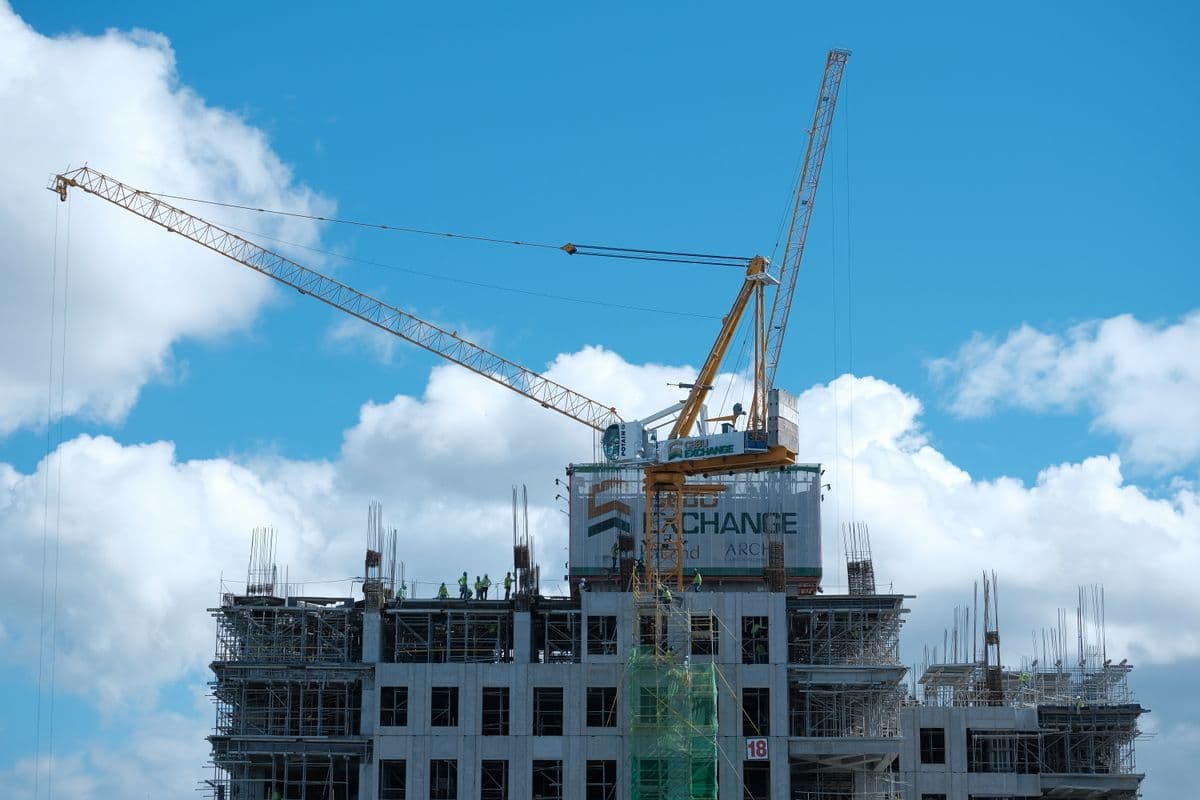
You find a project online. The renders look polished, the location seems promising, and the payment terms are spread over several years — making the monthly figure feel manageable. The catch: the building isn't built yet. You're being asked to commit real money to something that still exists only on paper and on a construction site. That is pre-selling, and it is how the majority of new condominiums in the Philippines are sold.
For buyers who understand what they're agreeing to, pre-selling can be a sensible way to enter the market. For buyers who don't, the gap between expectation and reality can be expensive and stressful. This article explains the mechanics clearly, names the risks honestly, and gives you a framework for deciding whether pre-selling makes sense for your situation.
What Pre-Selling Actually Means
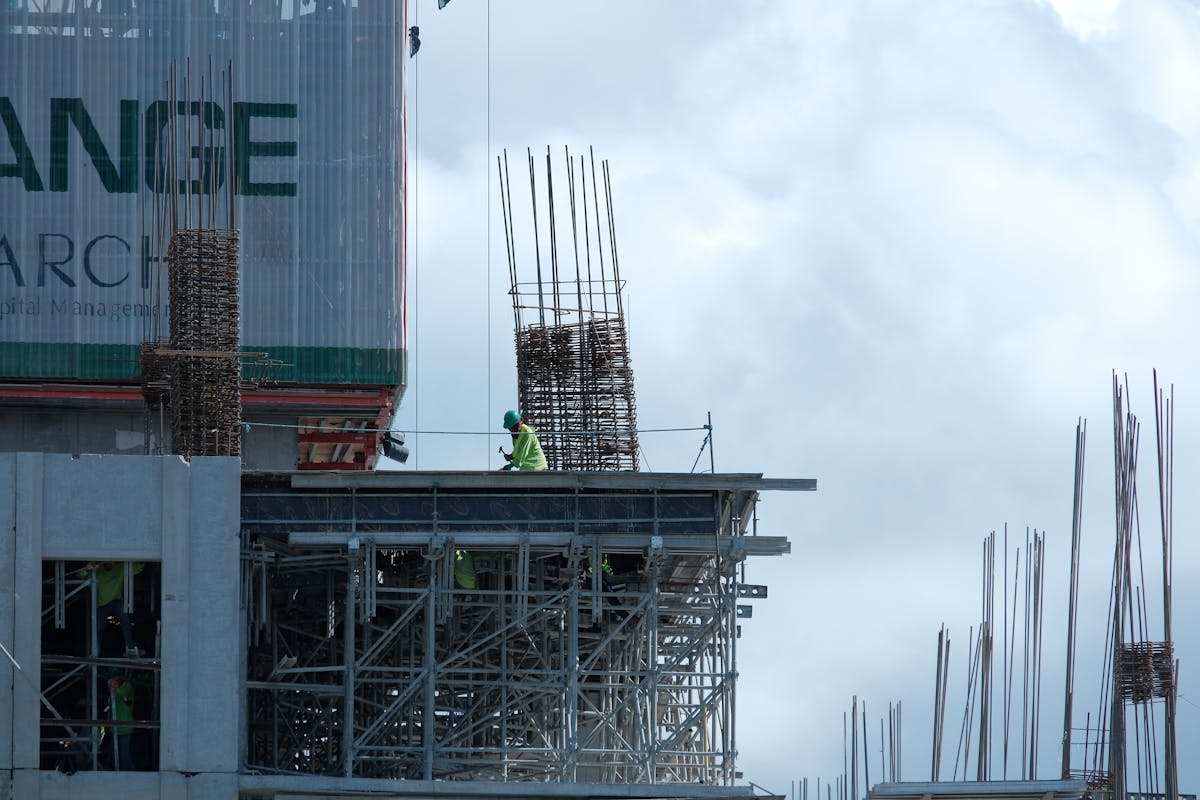
Pre-selling is the practice of selling residential units before a building is completed — and in some cases, before construction has even begun in earnest. The buyer reserves a specific unit, signs a Contract to Sell, and begins payments based on a schedule tied to the construction timeline or a fixed monthly plan. The unit is physically turned over only when the building reaches completion, which may be two to four years after reservation.
This model exists because it serves both sides of the transaction. Developers use pre-selling proceeds to partially fund construction, reducing their dependence on bank financing. Buyers, in exchange for committing early and accepting the wait, receive a lower price than they would pay for a finished unit — and payment terms structured around the construction period rather than immediate full payment.
It is a fundamentally different transaction from buying a ready-for-occupancy (RFO) unit, where what you see is what you get. Pre-selling requires you to evaluate something that does not yet fully exist.
How the Pre-Selling Timeline Works
The typical pre-selling process in the Philippines moves through four stages:
- Reservation. The buyer pays a reservation fee to hold a specific unit. The fee is usually a small fraction of the total price and is credited toward the purchase. At this stage, you receive a Reservation Agreement that locks in your unit number, floor, and indicative price.
- Down payment period. After reservation, buyers typically pay a down payment — often 10 to 20 percent of the total price — spread across a series of monthly installments over a fixed period. This phase runs concurrent with the early stages of construction.
- Balance financing. When the down payment period ends, the remaining balance is paid through the buyer's chosen financing method: a Pag-IBIG housing loan, a bank loan, or in-house financing from the developer. The Contract to Sell is typically signed at this point.
- Turnover. When the unit is ready, the developer notifies the buyer for a punch list inspection — checking the unit's condition against what was promised — before handing over the keys and the condominium certificate of title (CCT) process begins.
The gap between reservation and turnover is the defining feature of pre-selling. It can range from two to four years depending on the project and how far along construction was when you reserved. That gap is where both the advantages and the risks live.
The Real Advantages
Lower entry price. Pre-selling units are priced lower than equivalent ready-for-occupancy units. Developers offer this discount because early buyers are accepting risk and providing capital before the building is finished. The discount varies by project, developer, and how early in the selling phase you reserve — buyers who come in during the first few months often get the most favorable pricing.
Flexible payment terms. The down payment period — often 12 to 36 months — gives buyers time to accumulate the initial capital without having to produce the full amount upfront. For buyers with steady monthly income but limited savings, this structure is often more accessible than buying an RFO unit that requires immediate full payment or a loan approved before you even pick a unit.
Capital appreciation during construction. If the project is in a corridor where property values are rising, the unit you reserved today may be worth more by the time it's turned over. Buyers who entered early in a well-located project have historically seen meaningful paper gains between reservation and turnover — gains that reflect in both resale value and rental potential. The case for Cavite as a growth corridor is worth reading if appreciation is part of your thinking.
Unit selection. Early buyers get the pick of the available inventory — preferred floors, corner units, favorable views, and specific unit sizes that may be gone by the time the building is near completion.
The Real Risks
Pre-selling has genuine risks. Any article that skips this section is trying to sell you something.
Construction delays. Delays are the most common pre-selling complaint in the Philippines. Weather, material supply issues, labor shortages, financing problems, or simply poor project management can push a promised turnover date back by months — or years. A buyer committed to a 2026 turnover who ends up waiting until 2028 is carrying a loan or amortization on a unit they cannot use, and possibly paying rent elsewhere in the meantime.
The unit you see isn't the unit you get. Buyers reserve based on artist's perspectives, floor plans, and showroom mock-ups. The finished unit may differ in finishes, fixtures, or even floor area. Developers typically include disclaimers on all renders for this reason. Reading the actual Contract to Sell — not the brochure — is the only way to know what is actually promised and what recourse you have if it isn't delivered.
Developer default or project abandonment. In rare but real cases, developers stop construction — due to financial trouble, legal issues, or mismanagement. Buyers of an abandoned pre-selling project are in a difficult position: money has been paid, but there is no unit, and recovery takes legal action and time. This is the worst-case scenario, and it is why developer due diligence is not optional.
A long, illiquid commitment. You cannot move into a pre-selling unit. You are paying for something you cannot use or rent out yet, which means the investment is illiquid for the duration of the construction period. If your circumstances change — job loss, a need to relocate, a family emergency — exiting a pre-selling contract is possible under the Maceda Law but carries costs and conditions.
No physical unit to inspect. When buying an RFO unit, what you see is what you evaluate. In pre-selling, you are evaluating the developer's track record, the project's renders, and the construction site's progress — none of which fully tell you what the finished product will feel like to live in.
The honest trade-off: Pre-selling offers a lower price and more flexible terms in exchange for waiting, uncertainty about the finished product, and dependency on the developer's ability to deliver. Whether that trade-off makes sense depends entirely on the developer you choose.
How to Reduce Your Risk
The risk in pre-selling is not random — it is largely a function of who you are buying from. A pre-selling unit from a developer who has completed multiple buildings, has an active construction site, and carries a valid government license is a fundamentally different bet from one offered by a company with no track record and a dormant site.
Verify the DHSUD License to Sell. Every legitimate condominium project in the Philippines must be registered with the Department of Human Settlements and Urban Development (DHSUD). Ask for the license number and verify it directly. A project without a verifiable DHSUD license has no legal basis to sell units, and buyers have minimal protection if things go wrong.
Research the developer's completed projects. Has this developer actually finished buildings before? Are those buildings occupied and maintained? Visit a completed project from the same developer if you can. Online communities for condominium buyers in the Philippines are unusually candid about which developers deliver and which ones don't.
Check the construction company. In the Philippines, the developer and the construction firm are often separate entities. A developer backed by a credible, experienced engineering company offers an additional layer of accountability that pure property companies cannot.
Visit the site regularly. Active construction — workers on site, visible structural progress, regular developer updates — is the clearest signal that a project is on track. A site that looks abandoned six months after you reserved is an early warning sign, not something to wait out.
Read the Contract to Sell before signing. Check the promised turnover date, the penalties or remedies if it is missed, the exact unit specifications, and the cancellation terms. Under Republic Act 6552 (the Maceda Law), buyers who have made at least two years of installment payments have the right to a partial refund if they cancel. Know those rights before you sign, not after a problem emerges.

How One Lancaster Park Fits Into This
One Lancaster Park in Imus, Cavite is a pre-selling project. Tower 3 (Fairmont Tower) is currently under construction with an expected completion in 2028. That is the honest timeline — buyers reserving now are committing to a wait of roughly two years before turnover.
For those doing their due diligence, the verifiable facts are:
- DHSUD License to Sell: R4A-070124-0279 — independently verifiable with DHSUD.
- Developed by PH1 World Developers, engineered by Megawide Construction Corp. — a publicly listed company on the Philippine Stock Exchange with a portfolio that includes the Mactan-Cebu International Airport redevelopment.
- The project won Open Space Development of the Year – Philippines at the Real Estate Asia Awards 2024 in Singapore — a regional industry award from an independently judged competition, not a local marketing prize.
- Construction is active. The site is operational. Progress updates are available.
Pre-selling in Cavite also carries the additional variable of location appreciation. As the corridor between Metro Manila and Cavite continues to develop — with CAVITEX, CALAX, and the planned LRT-1 extension improving connectivity — buyers who entered the market early in this corridor have generally seen unit values rise by turnover. That appreciation is not guaranteed, but it is part of why pre-selling in a developing but well-positioned location has historically made sense as an investment strategy.
Is Pre-Selling Right for You?
Pre-selling suits buyers who have a stable income and can sustain monthly amortizations without the unit generating income during the construction period, who are investing for the medium to long term rather than needing immediate occupancy, who have done the developer due diligence rather than buying on the strength of marketing material alone, and who are comfortable with the timeline — understanding that a 2028 turnover is not a problem to solve, but a condition to plan around.
It is not the right choice for buyers who need to move in immediately, who are stretching their finances to the point where any delay creates real hardship, or who are relying on a specific turnover date without a contingency plan. If you're an OFW planning around a homecoming date, our OFW buying guide covers how to handle the process and timeline from abroad.
The honest advice is: if the developer checks out and the location makes sense for your goals, pre-selling is a legitimate and often financially attractive way to enter the market. If either of those conditions isn't met, no payment term structure makes it a good idea.
If you'd like to understand the specific timeline, financing options, and what to expect from the turnover process at One Lancaster Park, our team is available to walk you through it — no commitment required.