
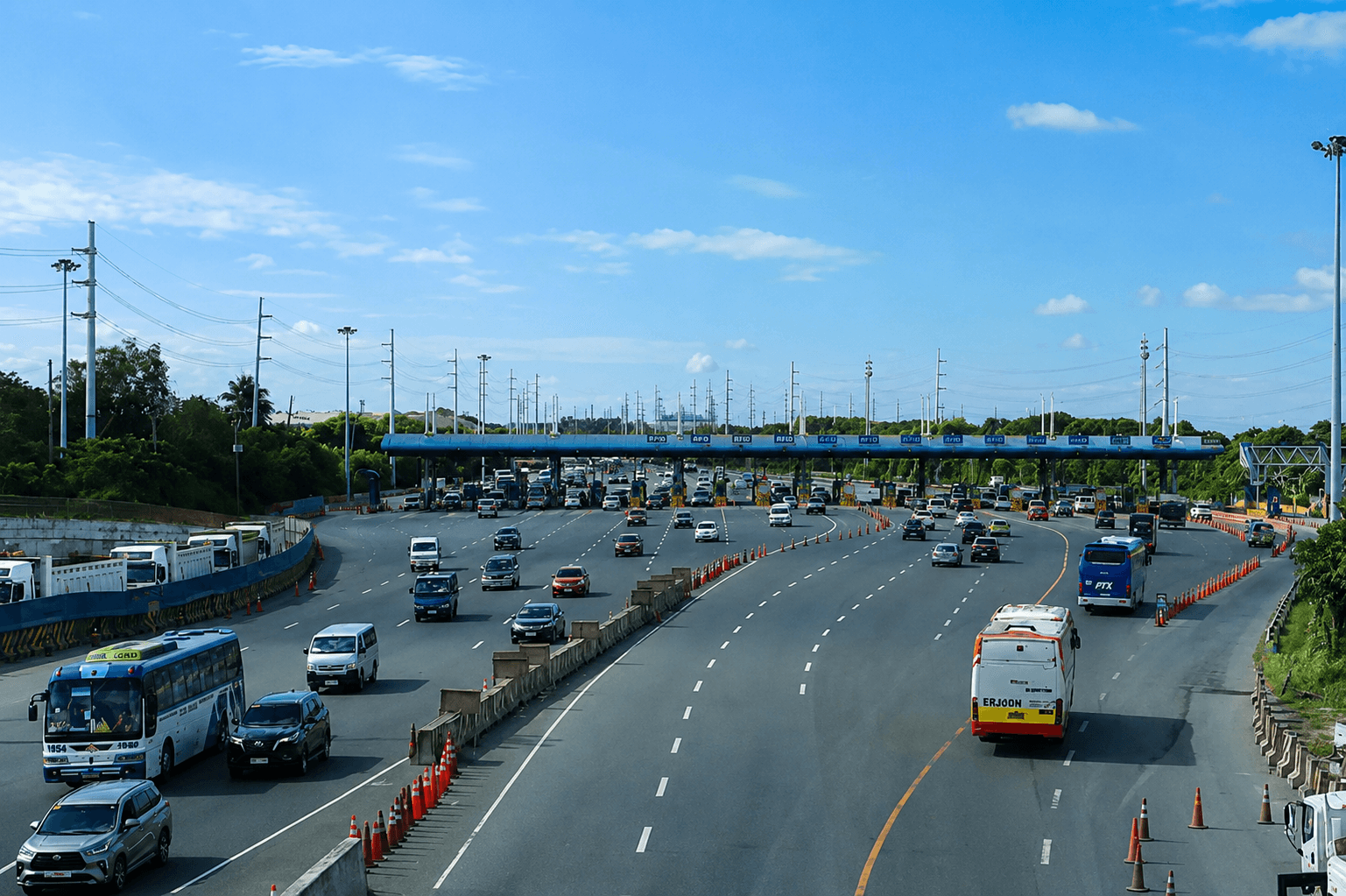
The commute question is the one most buyers from Metro Manila ask first, and it deserves a straight answer — not the best-case scenario, not a vague “it depends,” but actual time ranges with the caveats clearly labeled. If you are considering a move to Imus, Cavite, this guide covers what the drive actually looks like on a normal workday, which roads make the most difference, what public transport options exist, and how a hybrid work schedule changes the calculation entirely.
The Primary Route: CAVITEX (Manila-Cavite Expressway)
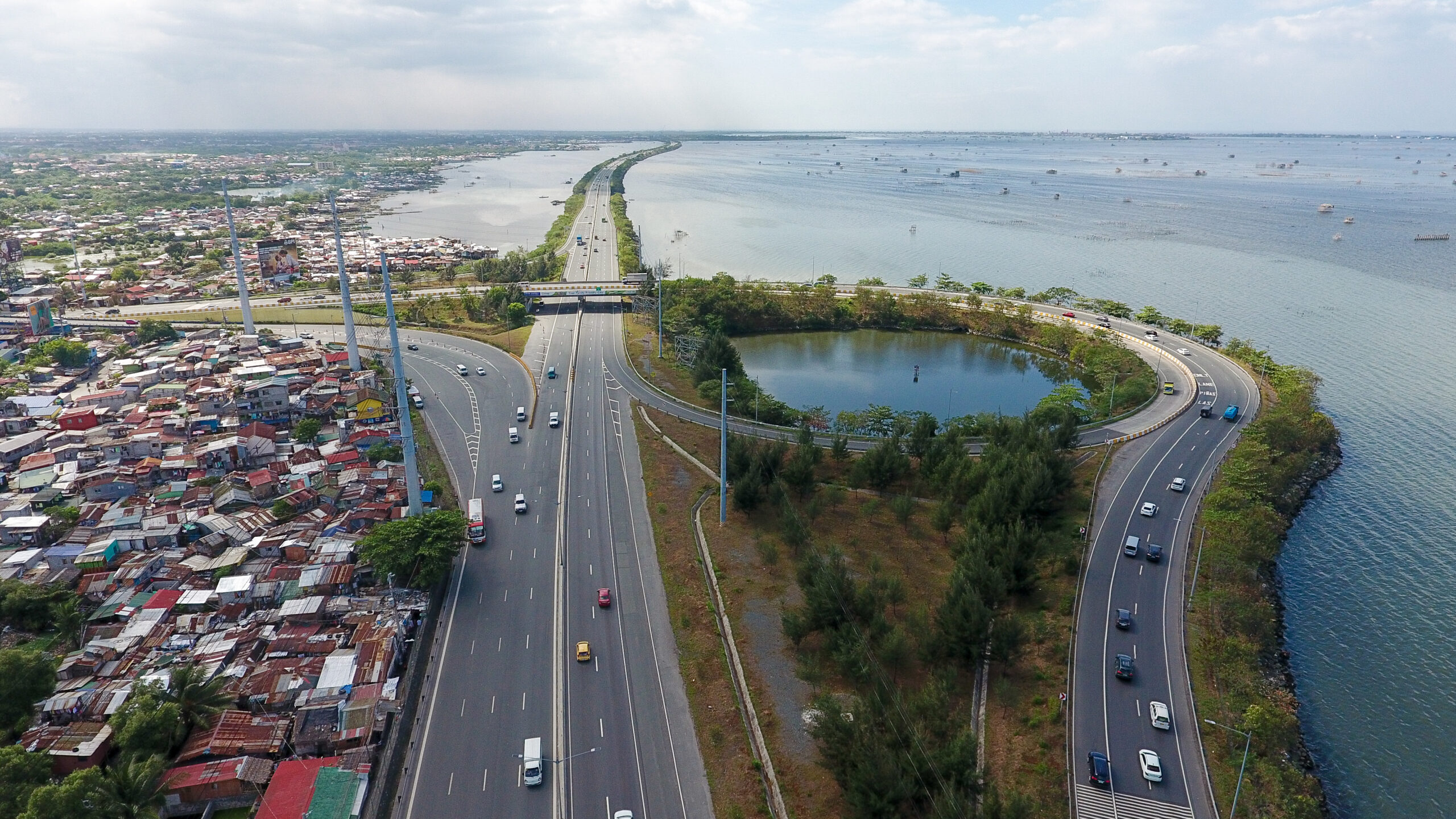
CAVITEX is the backbone of the Imus-to-Manila commute. The expressway runs from Kawit in Cavite up to the Coastal Road in Parañaque and Pasay, giving drivers a toll-road connection that bypasses most of the surface traffic through Bacoor and Las Piñas.
From the Imus-area entry points, here are realistic time ranges to key Metro Manila destinations:
Imus to Makati (via CAVITEX + SLEX/Skyway)
- Off-peak (after 9 AM, before 5 PM): roughly 45 minutes to 1 hour
- Morning rush hour (6:30–9 AM): 1.5 to 2 hours, sometimes longer if the Zapote interchange is congested
- Evening rush (5:30–8 PM): 1.5 to 2.5 hours — the return trip through Zapote interchange is where most of the time is lost
Imus to BGC (Bonifacio Global City)
- Off-peak: 1 to 1.25 hours via CAVITEX to C5 Link or Skyway
- Rush hour: 1.5 to 2.5 hours — BGC adds internal traffic on top of the expressway leg
A significant development in 2026 is the opening of the CAVITEX-C5 Link Segment 3B, a 2-kilometer elevated connector between Parañaque and Taguig. According to the Presidential Communications Office and the Philippine Information Agency, this segment cuts the Parañaque-to-Taguig leg from roughly 1.5 hours down to about 15 minutes under light conditions. Peak-hour conditions will still compress that benefit, but it is a meaningful improvement for BGC-bound commuters.
Imus to Alabang
- Off-peak: 30 to 45 minutes via CAVITEX and the Coastal Road connector
- Rush hour: 45 minutes to 1.25 hours
Alabang is one of the more manageable destinations from Imus — the distance is shorter and the route avoids the deepest Metro Manila traffic.
Imus to Pasay / Manila (PITX area)
- Off-peak: 30 to 50 minutes
- Rush hour: 1 to 1.5 hours
Pasay is the closest major employment hub to Imus by expressway. The Parañaque Integrated Terminal Exchange (PITX) at the CAVITEX end serves as the anchor point for public transport routes going further into Manila.
The Honest Rush Hour Reality
The Zapote interchange, where CAVITEX connects to the surface road network in Las Piñas, is the single most consistent pain point on this corridor. What takes 15 minutes in light traffic can stretch to 45–60 minutes when vehicles queue back from the merge. This is not a rare bad day — it is the normal condition during peak hours.
What this means practically:
- Leaving Imus before 6:30 AM gives you a noticeably faster drive than leaving at 7:30 AM
- Leaving Manila before 5 PM or after 7:30–8 PM on the return also makes a measurable difference
- Friday evenings are consistently the worst of the week — add 30 to 45 minutes to any estimate
Practical tip: Buyers who relocate to Cavite and still commute daily report that the commute is manageable when you control your schedule — and significantly harder when you cannot. The expressway rewards flexibility and punishes rigid 9-to-5 timing.
CALAX: How It Is Changing the Picture
The Cavite-Laguna Expressway (CALAX) is a 45-kilometer toll road running from Mamplasan in Laguna to Kawit in Cavite. Subsection 3 opened in May 2026, extending the road to the Governor's Drive Interchange in General Trias — a meaningful milestone for Cavite connectivity.
For Imus residents, CALAX's relevance will grow as the remaining sections toward Kawit are completed. The full route will eventually link Imus-area residents directly to Laguna tech parks and commercial hubs, and it adds a second major expressway corridor that reduces dependence on CAVITEX alone. CALAX also connects to SLEX, opening a Skyway-to-Makati path that bypasses the coastal side of Metro Manila — for some Makati destinations, this route may eventually compete with CAVITEX depending on daily conditions.
The fuller infrastructure context behind these developments is covered in our Cavite real estate outlook for 2026.
Surface Routes: Aguinaldo Highway and Daang Hari
Aguinaldo Highway
The main arterial road running through Imus and connecting through Bacoor toward Las Piñas and Parañaque. In off-peak conditions it works. During rush hour it is extremely congested through the Bacoor-Las Piñas corridor and is not recommended as a primary commute route if time matters. Better suited as a fallback or for short intra-Cavite trips.
Daang Hari Road
Daang Hari links Imus and Bacoor toward Muntinlupa and Alabang. It is a useful route for workers heading to Alabang, Filinvest City, or destinations along SLEX without needing to enter Metro Manila proper. Traffic is lighter than Aguinaldo Highway, making it a genuine alternative for the right destinations.
Public Transport: Your Options From Imus
UV Express
UV Express routes from Imus and nearby areas run to PITX and various Manila terminals. From PITX, passengers transfer to buses, jeepneys, or the LRT-1 depending on their final destination. Travel time by UV Express is generally 1.5 to 2.5 hours to Manila-side destinations depending on traffic, transfers, and time of day. Routes and schedules can shift — verify current pickup points locally before relying on them.
P2P Bus Service
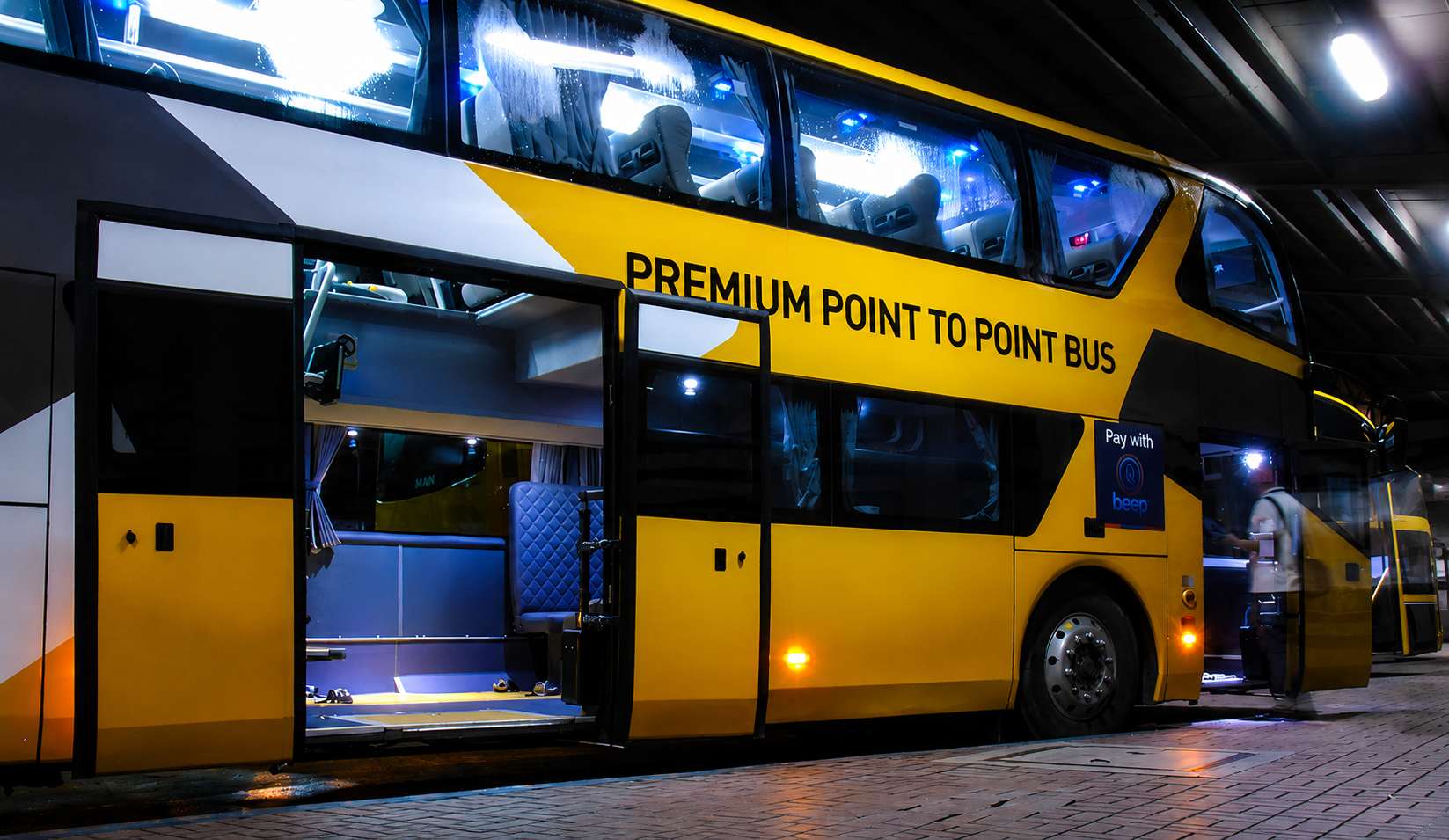
A point-to-point (P2P) bus route operates between Imus, Cavite and Circuit Makati, run by TAS Transport under the P2P Bus Philippines network. Weekday trips run from early morning through evening, making it a practical option for office-based workers in the Makati CBD. P2P buses are air-conditioned, limited-stop, and use expressways — making them faster and more comfortable than standard jeepney-UV routes.
The Cavite Bus Rapid Transit (BRT) system also began initial P2P operations in mid-2026 with a line serving the Imus-to-Makati corridor. This adds another scheduled, air-conditioned option for non-drivers, though the full BRT network is still being built out.
Getting to PITX
PITX in Parañaque is the main transit hub for Cavite commuters. From there, passengers can connect to buses going through Taft Avenue, EDSA, and various Manila routes. If your office is near PITX or accessible from it, the commute by public transport is more manageable than it looks on a map.
Lancaster New City's Location Within Imus
Within Imus, location within the city matters. Lancaster New City, where One Lancaster Park sits, is positioned in the Alapan area of Imus — with access to Governors Drive and proximity to the Aguinaldo Highway corridor. CAVITEX entry points are reachable via these main roads without needing to navigate deep into the commercial center of Imus first. For more on One Lancaster Park and what makes its specific location work for residents, see our complete guide to One Lancaster Park.
The Work-From-Home Angle
The commute calculus changed permanently after 2020, and for many buyers, it is the biggest factor that makes Imus workable in a way it was not before.
A hybrid schedule of two or three days in the office per week transforms the commute from a daily grind into an occasional trip. At that frequency, even a 90-minute one-way drive is manageable for most people — it is roughly equivalent to what many Metro Manila residents already endure on EDSA, just less frequent.
For buyers considering Imus primarily because of space, lower costs, and lifestyle — and whose employers have settled into hybrid arrangements — the commute is genuinely not the barrier it would have been in 2018. The lifestyle context is worth reading alongside this: our guide to living in Imus, Cavite covers what daily life actually looks like when you live there, not just how long it takes to leave.
Full-time remote workers remove the question entirely. For that profile, Imus offers significantly more space and a different quality of life for the same or lower monthly cost than comparable Metro Manila options. Our condo vs. house comparison for Cavite buyers explores how the property type decision intersects with the work-from-home lifestyle.
Practical Tips for Managing the Commute
- Leave before 6:30 AM or after 9 AM. The difference in travel time is not marginal — it can be 45 minutes to an hour. If your employer allows flexible start times, this alone makes the commute significantly easier.
- Return before 5 PM or after 7:30 PM. Same logic applies going home. Many Cavite commuters time their Manila errands or dinners to let peak traffic pass before driving back.
- Budget the toll costs separately. CAVITEX tolls add up on a daily commute. Factor this into your monthly budget the same way you would factor in amortization or rent.
- Try the P2P bus before deciding it is not for you. Many drivers assume public transport is too slow, then discover the P2P route is actually competitive with driving during rush hour — and far less draining.
- Coordinate carpooling within the subdivision. Lancaster New City has a sizable population of Metro Manila commuters. Carpooling arrangements — especially for shared workplaces in BGC or Makati — reduce toll costs and make the drive more social.
- Put your office days on Tuesday, Wednesday, and Thursday. If you have schedule flexibility, traffic is lighter mid-week than Monday and Friday, which are consistently the worst days.
Frequently Asked Questions
How long does it take from Imus to Makati by car?
In off-peak conditions, expect 45 minutes to 1 hour via CAVITEX. During morning rush hour, budget 1.5 to 2 hours. The return trip in the evening can run 1.5 to 2.5 hours depending on when you leave Manila.
Is there a direct bus from Imus to Makati?
Yes. A P2P bus route operates between Imus and Circuit Makati on weekdays, operated by TAS Transport. There is also the UBE Express service via PITX for connections deeper into Manila.
What is the fastest route from Imus to BGC?
By car, CAVITEX to the C5 Link (particularly with the CAVITEX-C5 Link Segment 3B connector opened in 2026) is the fastest path. In off-peak traffic, expect around 1 hour. Rush hour will push this to 1.5 to 2.5 hours.
Is Imus, Cavite too far for a daily commute?
That depends on your work setup and schedule flexibility. For full-time office workers with fixed hours, a daily Imus-to-Manila commute is demanding but not unusual — many residents do it. For hybrid workers with two to three office days per week, it is very manageable. The decision is less about distance and more about how much control you have over when you travel.
How does CALAX affect the Imus commute?
CALAX is still being completed, with sections opening progressively through 2025 and 2026. Once fully open, it provides a second expressway corridor and improves east-west movement across Cavite and Laguna. For Imus residents, its primary near-term benefit is reducing dependence on a single route and eventually providing a faster path to SLEX and Laguna destinations.
The Honest Bottom Line
The Imus-to-Manila commute is real, it is not short during rush hour, and it requires planning. But it is also a commute that hundreds of thousands of Cavite residents have built their lives around — with CAVITEX, newer expressway infrastructure, and a growing set of public transport options making it more manageable over time.
If you have schedule flexibility or a hybrid arrangement, the commute largely solves itself. If you are fully office-bound with fixed hours, it is a cost — in time, toll fees, and energy — that deserves honest weight in your buying decision. Neither overselling it nor dismissing it is useful. What matters is that you make the decision with accurate expectations.
Our team is available to answer location-specific questions about One Lancaster Park and how its position within Imus affects daily access. Reach out whenever you are ready to explore further.